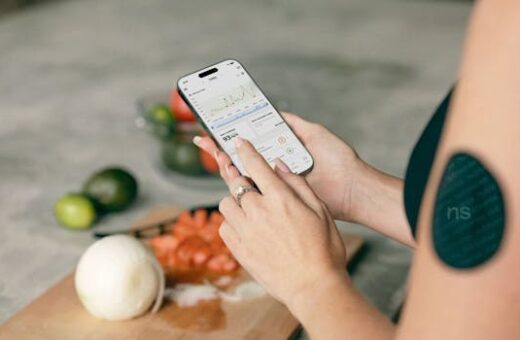
Wearable technology is reshaping how we think about personal health. Many people are discovering that tracking their activities and habits can boost daily well-being and create lasting improvements.
These smart devices help individuals notice patterns they might overlook. From sleep data to exercise reminders, wearables encourage healthy decisions throughout each day and provide valuable feedback on lifestyle choices.
A common misconception is that wearables are only for athletes, but everyone benefits from better self-awareness. This misunderstanding sometimes leads people to overlook powerful ways technology could support their daily well-being goals.
This article explains how wearables impact everyday life. You’ll find practical tips, comparisons, and strategies to maximize these devices for your daily well-being—no matter your age or activity level.
How Wearables Cultivate Healthy Daily Habits
Daily habit formation is the first positive change most people notice with wearables. Step goals, water reminders, and heart rate tracking make improvements visible in small ways every day.
People tend to stick with these habits because rapid feedback and milestone streaks feel rewarding. Over time, these routines lay the groundwork for improved daily well-being and prevent lapses in motivation.
Feedback That Changes Behavior
One unexpected insight: gentle nudges from your watch or tracker are more motivating than discipline alone. Even subtle reminders create a sense of accountability and keep goals in sight.
However, sometimes users ignore their devices. For example, you might dismiss too many notifications, feeling overwhelmed, and eventually stop using your wearable effectively.
If this happens, use this script: “I’m resetting my notifications just for the essentials so I can get back on track and enjoy my progress.” Then adjust your alert settings accordingly.
Trusting the feedback loop offered by wearables can help turn occasional successes into habits. This approach keeps your daily well-being journey motivating and sustainable in the long term.
Top Features That Make Wearables Indispensable
Activity tracking apps, sleep monitors, and hydration alerts are standard tools in popular wearables. Most people try to use them all at once, but this can be overwhelming.
Successful users start with just one or two features that match their biggest needs. For example, someone focused on daily well-being might begin with stress tracking rather than exercise data.
The best sequence: pick a focus, activate only relevant features, and gradually introduce new tools as each habit settles in. Fewer distractions lead to sustainable changes.
Most users attempt to maximize every sensor or app immediately. However, progress comes quicker by narrowing priorities—this ensures each new feature adds value and supports better overall health.
Building a Personalized Wellness Ecosystem
Many users see the best results when they customize their wearables to reflect lifestyle needs. Connecting devices with other health and smart home apps creates a seamless support system for daily well-being.
Custom reminders and integrating with nutrition or meditation apps help reinforce healthy habits. This layered approach empowers people to adapt their goals to evolving priorities and seasons.
Creating a Tailored Set-Up
The first step: identify which health aspects matter most to you—such as stress reduction, focus, or improving sleep. Then tailor notifications and metrics to reflect these preferences.
During setup, carefully consider permission requests. Allow your device access only to necessary data, protecting privacy while ensuring you see actionable insights each day.
When you begin, schedule a dedicated 15-minute session to set up tracking, adjust settings, and check your dashboard. Avoid changing every feature at once—start small and build confidence.
One warning: do not enable every alert available. Too many notifications can lead to alert fatigue and discourage consistent device use. Prioritize the metrics that have direct impact on your daily well-being.
- Begin with a personal health goal and select one device feature that supports this objective to avoid unnecessary distractions and maximize the benefits toward daily well-being from the start.
- Review alert permissions for privacy, only allowing necessary data collection so your wearable delivers relevant insights without oversharing information that isn’t useful for your routine.
- Schedule a brief session daily to check your dashboard and make minor adjustments to your settings as your habits evolve over time, keeping your setup tuned to your real needs.
- Integrate your wearable with one supplementary app—such as fitness, meditation, or sleep tracking—to enhance the insights and double the motivational feedback loops throughout your day.
- After the first week, check your activity or health patterns. If something feels overwhelming, pause, simplify your settings, and adjust your focus to what truly boosts your daily well-being.
If you become disengaged or overwhelmed, spend five minutes adjusting permissions and reducing unnecessary alerts. This targeted reset restores clarity and boosts your wearable’s usefulness for daily well-being.
Measuring Sleep, Stress, and Recovery for Daily Well-Being
The ability to measure and track sleep pushes users to rethink rest as part of their well-being. Quality sleep can improve mood, focus, and overall health in measurable ways.
Wearables monitor heart rate variability and stress indicators, providing concrete data to guide recovery routines. These metrics encourage users to address underlying patterns affecting daily well-being.
Unlocking Better Sleep Insights
Start by activating sleep tracking and reviewing nightly reports. Look for correlations between bedtime, wake time, and sleep quality to reveal opportunities for improvement.
If data suggests poor sleep, experiment with shifting your evening routine. For example, try winding down earlier or lowering screen time before bed to observe the effect on recovery metrics.
One pitfall is ignoring red flags in your sleep report. If you spot several low-quality nights, pause and evaluate lifestyle factors or adjust your schedule to prioritize restorative rest.
Try this sleep improvement script: “This week, I’ll adjust my bedtime by 30 minutes and review the impact on my energy and mood in the morning.” Small changes usually pay off quickly.
Monitoring Stress and Supporting Recovery
Enable stress tracking on your device and sync it with relaxation apps. Many wearables offer breathing exercises or guided meditation prompts to help manage daily tension.
If you notice your daily stress score rising, use a quick breathing session prompted by your device. Record the change and review your stats at the end of each week.
Some users respond to all alerts, but this can cause alarm fatigue. Stick with simple prompts that help you slow down and reset, especially during busy or stressful days.
Reflect weekly on your progress. Adjust routines as stress and sleep patterns change—this flexibility supports resilience and lasting daily well-being improvements over time.
Using Wearables for Movement, Fitness, and Energy
Wearables shine in helping users boost daily activity levels. By tracking steps, heart rate, and calories, users gain new motivation to move more and maintain energy for daily well-being.
Personalized movement goals keep workouts aligned with personal capacity. Even small increases in activity—like a few extra steps each hour—positively affect daily routine and long-term wellness.
Setting and Achieving Personalized Fitness Goals
Select a daily movement target that feels reasonable. Whether it’s steps or minutes, consistency is more important than intensity for most users seeking better daily well-being.
Monitor performance throughout the day using your wearable’s dashboard. Timely feedback turns abstract fitness goals into achievable milestones, reinforcing healthy decisions and daily progress.
A common mistake: comparing your stats to others. Focus instead on gradual improvement and celebrate each win, no matter how small, to keep momentum strong and positive.
This motivational script helps: “Every extra step counts for my energy and mood. Today’s improvement is a win, and tomorrow I’ll take another step forward.” Encouraging yourself strengthens commitment.
Preventing Energy Slumps and Burnout
Incorporate movement reminders that encourage standing or short activity breaks. Reducing prolonged sitting helps maintain steady energy throughout your day and prevents fatigue.
If you notice energy dips after lunch or during meetings, use your wearable’s prompt to stretch. Track the effect these breaks have on your mood and productivity over a week.
Ignore the urge to overtrain or ignore signals from your body. Pay attention to fatigue warnings and prioritize recovery, using wearable alerts as cues for rest as much as action.
Sustainable fitness routines, monitored by wearables, reduce the risk of burnout while supporting long-term gains. Consistent, moderate movement supports both physical health and daily well-being.
Nutrition Tracking and Habit Change with Wearables
Nutritional habits as tracked by wearables support sustained energy and mood, both key for strong daily well-being. Logging meals makes eating more intentional and less prone to impulse.
Smart reminders to hydrate prevent headaches or energy crashes during demanding days. Some devices also track macronutrient balance or caloric intake, adding personalized feedback for users wanting health improvements.
Building Mindful Eating Habits
Begin with basic meal logging. Many wearables sync with apps to record meals and snacks as you eat. This visibility helps users spot helpful and unhelpful patterns.
To avoid overwhelm, log only main meals for your first week. Evaluate which foods boost energy or contribute to sluggishness, then gradually include snacks and portion sizes.
Don’t ignore hydration alerts. Even a small increase in water intake each day can result in clearer thinking and steady energy. Use your wearable’s reminders to establish lasting hydration habits.
Notice the feedback. If certain meals cause fatigue or mood dips, adjust tomorrow’s food choices. This simple process helps you link nutrition to daily well-being outcomes and build more effective habits.
Overcoming Barriers to Healthy Choices
Some people feel judged by data or discouraged by slip-ups. Remember, progress in daily well-being comes from regular, honest tracking—not perfection.
If you notice discouragement, reset your mindset. Use this friendly prompt: “Each day is a fresh start. I’ll record my meals and celebrate every healthy decision.” Encouragement beats guilt every time.
Reflection at the end of each week reveals where small improvements can continue. Adjust your strategy, not your expectations, and focus on consistent effort and self-compassion.
Wearables can support self-forgiveness, not just self-improvement. By keeping goals visible and decisions conscious, technology helps rebuild motivation after setbacks and celebrates every step forward.
Social Features, Community, and Accountability
Connecting with others through wearable apps boosts motivation and results. Friendly competition, shared goals, and progress sharing reinforce commitment to daily well-being for many users.
Family or group challenges transform solo progress into supportive teamwork. Celebrating milestones together strengthens social bonds and keeps participants engaged even when motivation dips.
Making the Most of Social Motivation
Start by joining a group or inviting friends to connect within your wearable’s platform. Shared streaks, compliments, and gentle rivalry make habit formation more enjoyable and rewarding.
One counterintuitive tip: even just seeing others’ progress can increase your own accountability, whether or not you compete directly or share personal stats.
Beware of comparing yourself too closely with others. Set personal milestones and encourage sincere congratulations for everyone’s efforts, keeping the community positive for daily well-being benefits.
If someone in your network surpasses a big milestone, send an uplifting message such as: “Congratulations! Your progress inspires me to keep moving forward as well.” This supports everyone’s motivation.
Building Healthy Boundaries and Peer Support
Join only groups with positive encouragement and reasonable expectations. Leave communities that pressure or push unrealistic comparisons, which can harm daily well-being instead of helping.
If you feel overwhelmed by group challenges, pause or mute notifications. Open conversations about realistic goals create safe spaces for healthy sharing and respect for individual limits.
Finding three or four reliable wellness buddies, rather than joining many groups, can result in deeper accountability and longer-lasting support as you pursue your own goals and maintain daily well-being.
Positive community features transform wearable tech from a solo tracking tool to a supportive network. This aspect supports consistent effort and celebrates collective achievement for everyone involved.
| Popular Wearable Feature | How It Supports Daily Well-Being | Actionable Tip |
|---|---|---|
| Step Tracking | Increases daily movement, boosting mood and energy | Set a realistic daily step goal and track consistency each week |
| Sleep Monitoring | Improves sleep quality, supporting focus and resilience | Review reports to optimize bedtime routines for recovery |
| Stress Alerts | Provides early warning during tense periods | Use built-in breathing or meditation features to reset stress responses |
| Hydration Reminders | Ensures steady focus and energy throughout the day | Respond promptly to notifications and note mood changes after hydration |
| Social Challenges | Strengthens accountability and enjoyment in habit building | Invite friends and set achievable shared targets for teamwork |
- Set your wearable notifications to focus on one main health goal at a time—this increases your ability to track and stick to meaningful habits without feeling overloaded.
- Integrate your wearable with at least one additional wellness app that complements your top priority, such as sleep, mindfulness, or fitness, for a more holistic daily approach.
- Use community and group challenges only if they motivate you positively. Avoid competitive features that cause stress or negative self-comparison to protect your daily well-being journey.
- Develop a weekly review routine. Reflect on your week’s progress and adjust your goals or alert settings based on what actually supports your balance and energy each day.
- Focus on incremental progress. Celebrate each improvement, however small, to encourage consistent use and reinforce the link between small daily actions and increased well-being.
Conclusion
Optimizing wearables for daily well-being involves picking a main goal, customizing settings, and scheduling brief check-ins to keep your patterns aligned with real-life needs.
This consistent sequence works because it avoids overwhelm, provides feedback, and gives you the tools to course-correct quickly—building habits that truly last for weeks and months.
A common pitfall is chasing every new feature or alert, leading to burnout or device fatigue. Keep adjustments focused and always prioritize enjoyable routines over total coverage.
Try this today: identify your top wellness priority, enable just the feature for that area, and enjoy the progress as you boost your daily well-being every single day.